
The mining industry continues to be a cornerstone of Canada’s economy, but like many sectors, it faces a growing challenge: an urgent need for skilled tradespeople. The Millwright Regional Council (MRC) is stepping up to meet that challenge head-on, bringing together industry partners, educators, and skilled professionals to strengthen the workforce pipeline that supports Canada’s mines.
MRC leaders emphasize the importance of collaboration in addressing workforce development and retention. “Our success as an industry depends on how well we work together,” said Andrew Bredin, Director of Communications & Public Affairs, MRC. “Partnerships are essential, not just between companies, but between the trades, educational institutions, and communities. That’s how we ensure a sustainable and skilled workforce for the future.”
Addressing the Perceived Skilled Trades Shortage
One of the dominant themes in a recent discussion with the Millwright Regional Council was the shortage of skilled labour impacting the mining sector’s growth. MineConnect’s Paul Finley spoke passionately about the need to revitalize trades education and spark renewed interest among young Canadians. “We need to get students excited about working with their hands again,” he said. “When you show them that these are high-tech, high-skill, and high-value careers, you open the door to incredible opportunities.”
Finley highlighted the success of initiatives at Collège Boréal, where strong partnerships between educators and industry have led to an increase in enrollment in trades programs. “It shows that when we invest in the right kind of outreach and support, people respond,” he noted.
Adding another layer to the discussion, Andy Forsyth, Business Development, MRC challenged the notion that the industry faces a shortage of skilled people. “We don’t have a shortage of talent, we have a shortage of work,” he said. “If there aren’t consistent projects available, we can’t retain the skilled workforce we’ve trained. Tradespeople need steady, meaningful employment to stay engaged and keep their skills sharp.”
Forsyth pointed to slowdowns in Alberta’s oil sands as an example of how a lack of projects can impact retention, emphasizing the need for new developments in Ontario and other regions across Canada to maintain a robust labour force.
The message from the Millwright Regional Council is that they have a work ready skilled labour force, a workforce that is mobile and can be scaled up using the apprenticeship and training programs that are already in place. The MRC have a strategy that is working across Canada – when projects are identified, and communication is clear and timely between all stakeholders – the skilled labour force needed will be there and projects will be completed safely, on time, and on budget.
Collaboration and Community Connection
Both speakers stressed the need for stronger ties between communities, unions, and employers to create clear pathways from education to employment.
“When apprentices can see a direct line from the classroom to the job site, it changes everything,” said Finley. “It builds confidence and keeps people in the trade.”
The Council also discussed the importance of inclusive recruitment strategies, including outreach programs for Indigenous communities and other underrepresented groups.
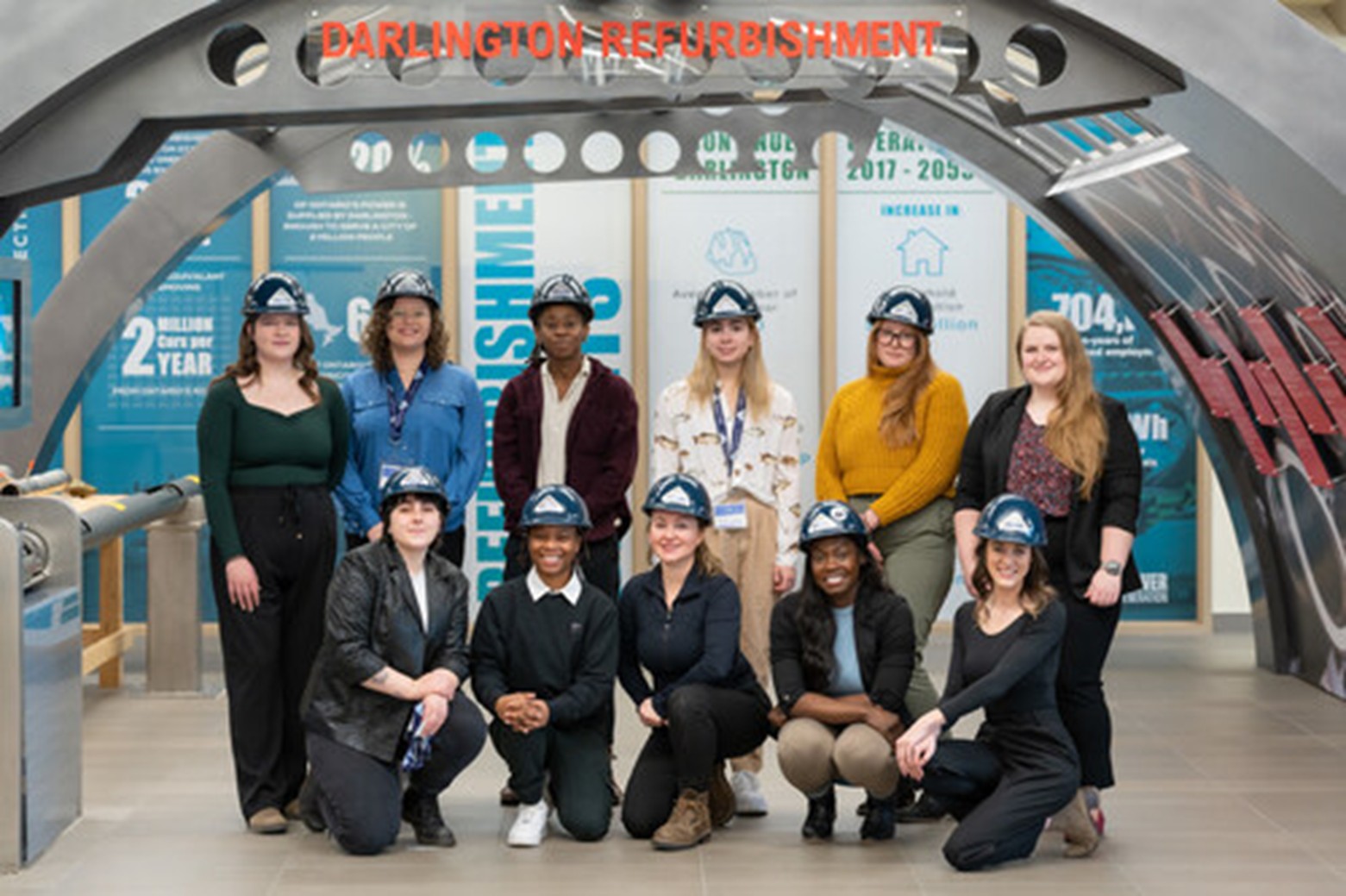
“We want everyone to see themselves reflected in the trades,” Bredin explained. “That means connecting directly with communities and showing that these are stable, well-paying careers with real impact.”
Safety-Focused, Skill-Driven Partnerships
At the heart of the Millwright Regional Council’s success is its commitment to safety, reliability, and craftsmanship. Every UBC Millwright undergoes rigorous, hands-on training designed to meet and exceed industry standards, ensuring that workers entering mine sites are not only technically proficient but also safety leaders.
“Safety isn’t just a protocol, it’s part of who we are,” said Andrew Bredin. “Every millwright understands that our reputation depends on the precision and integrity of our work.”
This dedication to safety and professional excellence has earned the trust of major partners across Canada, including Ontario Power Generation, Siemens Westinghouse, and Black & McDonald. These organizations recognize UBC Millwrights as the gold standard in technical skill, reliability, and worksite safety.
Building Partnerships That Power Industry
The Millwright Regional Council’s commitment extends beyond training: it’s about building lasting relationships that strengthen the entire workforce ecosystem. Through collaboration with organizations such as MineConnect, contractors, owners, and educational institutions, the Council bridges the gap between skilled workers and employers, while supporting innovation and growth across Ontario’s mining regions.
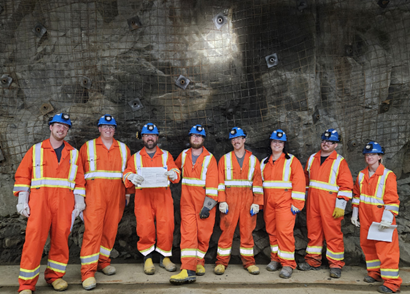
These partnerships help identify emerging workforce needs, align training with industry demand, and create new opportunities for tradespeople to apply their expertise where it’s needed most.
The Millwright Regional Council represents thousands of skilled men and women across Canada, all united by one mission: to keep industry moving. Their members install, maintain, and repair the precision machinery that powers everything from automotive plants to energy facilities, often working behind the scenes to ensure Canada’s infrastructure runs seamlessly.
Building Engagement Through Innovation
Looking ahead, the Millwright Regional Council is planning a series of initiatives to keep the conversation moving and to attract new talent into the industry. In Ontario, these include participation in a Mini Mining Forum to strengthen industry collaboration and a Mining Opportunity Challenge designed to engage students and showcase career pathways in the trades.
To continue the dialogue, the Council will also host an Ask the Expert Webinar on December 3, focusing on Canada’s Skilled labour and solutions to strengthen the mining workforce. The session will feature leaders from the mining and construction sectors sharing insights on labour market trends, apprenticeship programs, and workforce strategies.
“These conversations are critical,” said Bredin. “When we share ideas and experiences, we all move forward together.”
Building Canada’s Future: One Skilled Worker at a Time
The Millwright Regional Council continues to play a pivotal role in supporting Canada’s mining industry, not only by supplying highly skilled tradespeople but by shaping the very framework that sustains the workforce of tomorrow.
“Our goal is simple,” said Forsyth. “To make sure our members have meaningful, long-term work and that the industry has the skilled labour it needs to grow. When those two things align, everyone benefits.”
Through collaboration, education, and innovation, the Millwright Regional Council is helping build more than infrastructure: it’s building the foundation of Canada’s mining future.