

The Indigenous Training Collective (ITC) is an e-learning organization focused on Indigenous cultural safety, awareness, and competence training for workplaces throughout Canada. It was founded by Warren Lewis, who leads the development and delivery of its flagship program, Debwewin (My Truth) Indigenous Cultural Competence Training.

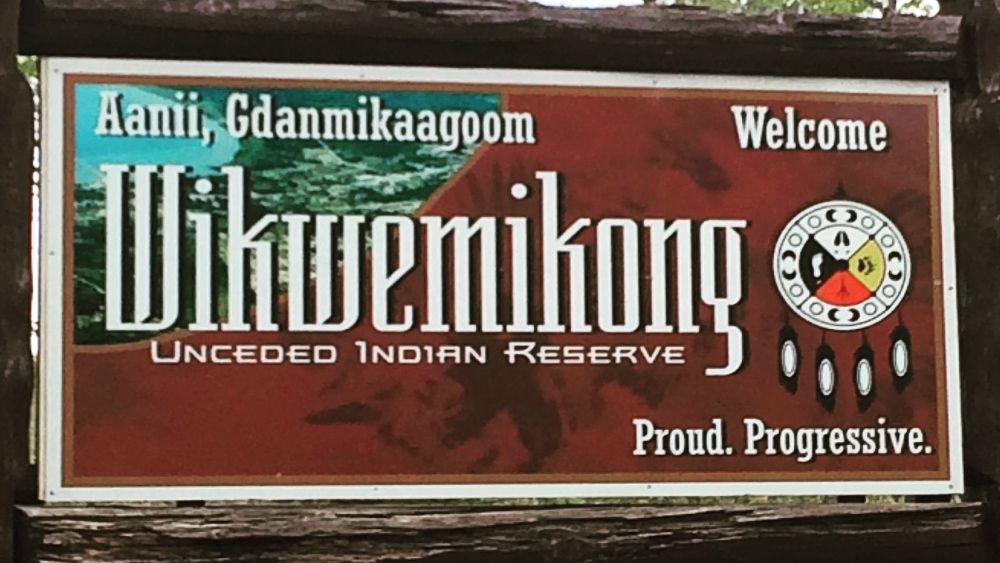
Hailing from the Wikwemikong Unceded Territory on Manitoulin Island, Lewis brings both lived experience and professional insight to his work. Throughout his life, he observed persistent gaps in understanding of Indigenous history, policy, and contemporary realities across Canada.
Lewis describes the purpose behind the training clearly. “I created this program because the truth about Indigenous history in Canada has not been fully taught, and that gap continues to affect relationships today,” he says.
He adds, “When people understand the full history, including the Indian Act and its lasting impacts, they begin to see why systemic inequities exist and what needs to change.”
The Debwewin (My Truth) training is designed for organizations seeking to strengthen Indigenous cultural competence among employees. Delivered as asynchronous e-learning, the program allows participants to complete structured modules at their own pace while building a progressive understanding of Indigenous history and its present-day implications.

The training addresses topics that are often missing from formal education, including the Doctrine of Discovery, the Indian Act, residential schools, Indian Day Schools, the Sixties Scoop, the Millennium Scoop, and the ongoing crisis of Missing and Murdered Indigenous Women and Girls. It also examines how these systems have shaped intergenerational outcomes in housing, education, employment, health, and community wellbeing.
A central focus of the program is helping participants understand how historical policies continue to shape modern inequities. The course connects these realities to broader discussions about systemic harm, human rights, and reconciliation in Canada.
This understanding is increasingly relevant in sectors such as mining, where operations often take place on or near First Nations traditional territories. Across the industry, there is growing recognition that meaningful engagement with First Nations is essential to responsible development and long-term project success.

Meaningful First Nations partnerships have become a standard requirement in Canadian mining; often directly enabling procurement access, project development, and long-term operational success. This reflects a broader shift in the sector, where Indigenous participation is now understood as a core requirement for permitting, project viability, and sustainable operations rather than an optional consideration.
For Warren Lewis, this shift reinforces the importance of education as a foundation for change.
“If we are serious about reconciliation, then education has to come first,” he says. “People cannot act on what they do not understand,” and adds, “This work is about building understanding that leads to better relationships, safer workplaces, and more respectful engagement with Indigenous Peoples.”

The training is designed to help participants not only learn historical facts but also understand how those histories influence present-day workplace relationships and industry decision-making.
The course also explores pathways forward, including recommendations focused on improving equity, supporting Indigenous self-determination, and strengthening access to housing, infrastructure, education, and healthcare in Indigenous communities.
Delivery of the program is fully online and self-directed. Organizations purchase access through the Indigenous Training Collective website, enroll participants, and receive automated reporting once completion thresholds are met. Upon booking, organizations receive a digital Reconciliation Partner Designation Seal to show that they’ve made the commitment to creating safer spaces and places for Indigenous Peoples.
Lewis emphasizes that the learning environment is intentionally designed to be respectful and accessible. “I have always tried to teach in a way that is grounded in kindness and respect,” he says. “Some of this material is difficult, so it is important that people are given space to learn without judgment.” He adds, “The goal is to create a safe learning environment where participants can engage honestly while still understanding the seriousness of the subject matter.”

Each course includes approximately five hours of learning across 20 modules. These include video storytelling, written content, images, quizzes, short answer questions, and a final exam, followed by a certificate of completion.
Organizations benefit from scalable training that can be delivered across multiple locations and teams without scheduling constraints. The asynchronous format allows employees to pause and resume learning as needed, making it suitable for dispersed, shift-based, or national workforces.
Beyond compliance or onboarding, the program is intended to support long-term cultural understanding within organizations. It encourages reflection on how history shapes workplace culture, professional relationships, and engagement with Indigenous partners. Lewis summarizes the intent of the work simply. “This is about truth,” he says. “And when people understand the truth, they can begin to build something better together.”

The Indigenous Training Collective continues to support organizations across Canada in advancing Indigenous cultural safety and competence through structured education that connects history, responsibility, and action.